
The Marketing Shift Away from Social Media: Why Brands Are Focusing on Owned Channels

Arial view of heavy traffic coming to a 4 way intersection at night. The marketing shift away from social media is no longer a trend—it’s a strategic move. As brands struggle with declining reach, rising ad costs, and unreliable algorithms, more businesses are turning to owned marketing channels like email newsletters, websites, and loyalty programs. These platforms offer greater control, stronger customer relationships, and better long-term ROI. Here’s why the industry is rethinking its dependence on social and investing in marketing strategies they actually own.

The Welcome Email

Social media platforms have been incredibly effective in helping brands grow. But cracks in the foundation are showing, and marketers are paying attention.

  • Algo Dependency – The dreaded algorithm. The bane of social media, and also the reason we have 19-year-old content creators making more than surgeons and lawyers. Organic reach has declined across platforms, and a post might only reach a fraction of your followers unless you pay to promote it. Brands are tired of being at the mercy of ever-changing algorithms.
  • Platform Volatility – From sudden outages to complete shutdowns (RIP Vine), putting all your content eggs in one basket is risky. Plus, policy changes can impact what you say and how you say it.
  • Rising Costs & Declining Returns – Advertising on social media is getting more expensive, all while the results are becoming harder to track and count on. For small businesses, especially, this makes it hard to justify the spend.
  • Data Ownership Concerns – You don’t truly own your audience on social media. If a platform decides to ban your account, shadow ban your content, or change its rules, your entire customer base could vanish overnight.


The Rise of Owned Marketing Channels

The shift away from social platforms and toward owned channels gives brands access to their audience, more control, and better long-term value. Here’s why marketers are reinvesting in them.
  • You Own the DataWith email lists and loyalty programs, you collect first-party data that’s more reliable and actionable than the insights social platforms provide. This becomes critical as cookies are phased out and privacy regulations tighten.
  • Higher Engagement RatesEmail newsletters outperform social media in both open and click-through rates. Subscribers have opted in–they want to hear you.
  • Better Personalization – Owned channels allow for hyper-personalized messaging based on user behavior, purchase history, preferences, and location–something social media can’t do as effectively.
  • Long-Term Relationship BuildingLoyalty programs and email nurture sequences help brands stay top-of-mind and reward repeat engagement. That kind of ongoing value is harder to achieve through fleeting social interactions.
  • Content LongevityContent on websites and in newsletters lives longer than a 240-hour Instagram Story. It can be repurposed, re-indexed by search engines, and discovered by new customers over time.

Where to Invest Instead of Social

If you’re looking to shift away from social media, here are the best channels to build out:
  • Email Marketing – Still one of the highest ROI channels, especially when segmented and automated.
  • Newsletters – Great for consistent engagement and value-driven content.
  • Branded Website or Blog – Your central hub for SEO-rich content, lead generation, and e-commerce.
  • Loyalty Programs – Rewarding repeat customers fosters deeper brand affinity and increases lifetime value.
  • SMS Marketing – Permission-based and highly direct, SMS is gaining traction in retail, hospitality, and service industries.
Fostering the client relationship with a guided journey and these email automation examples is a great place to start or refresh your email efforts! Need some further assistance? We help brands turn their email lists into real revenue–without sounding robotic or salesy (or annoying). So whether you’re just starting or need help optimizing, we can build email automations that convert. Let’s chat! Call us at 330-286-0487 or email us at info@mcconnellmarketing.com to get in touch!

The Psychology of the Email Subject Line: Why We Click (or Don’t)


Rows of Steel apartment mailboxes, The Psychology of the Email Subject Line: Why We Click (or Don’t)

In the overcrowded space of your subscribers’ inboxes, strong email subject lines are key to standing out. It’s the first impression, the hook, and the main reason your email gets opened or ignored.

What makes an email subject line stand out? The answer lies in psychology. Understanding how people think and make decisions is the way you can start writing email subject lines that really stand out.

Curiously Clicking

People are naturally drawn to the unknown. Subject lines that pose a question but don’t provide the answer make recipients want to learn more!

  • “This is what most companies get wrong with social media.”
  • “Are you making these common 3 mistakes?”

The psychological pull is called the curiosity gap and it’s a pretty powerful tool. Just make sure your content actually delivers on the intrigue to avoid disappointing your audience.

FOMO and Urgency

Creating a fear of missing out (FOMO) or a sense of urgency pushes people to act fast. This works best when it’s actually true.

  • “48 hours left to get your free gift.”
  • “Last chance to buy until next Spring!”

Time-sensitive language kicks in our need to avoid loss and not miss out on what our peers have.

Personalized and Tailored

Email subject lines that include your recipient’s name or address them directly are a great way to get them to open. Most email marketing platforms offer a feature to pull names from their contact form, so it’s very simple to do!

  • “[NAME], we missed you at our event last week!”
  • “5 buys with [NAME] written all over them”

These personalized subject lines are 26% more likely to be opened than those with generic greetings.

When in Doubt, Test it Out

There are a few ways you can test out email subject lines for the same campaign so that you can see what is really working for you.

  • Split your email list in half and send each a different subject line; note which performs better and stick with a similar one for your next email.
  • Resend the same email to people who haven’t opened it yet, but with a different subject line the second time around. (Again, most email marketing platforms have features that allow you to segment your list by opens.)

As with everything, finding the perfect subject line can be trial and error, so it doesn’t hurt to combine both of these practices for a single campaign.

Don’t forget, the perfect subject line blends creativity with a good dose of psychology. It’s all about the balance! If you’re still looking for tips, here are some great tools for testing and improving your email subject lines: SubjectLine.com Testing Tool and CoSchedule’s Email Subject Line Tester are both free to try and offer great insight.

Need help improving your email campaigns? We’re here to help! Call us at 330-286-0487 or email us at info@mcconnellmarketing.com to get in touch!

  •  

Hotel Email Marketing: Best Practices


Hotel email marketing is often overlooked, yet it is a powerful tool to nurture relationships with your guests and encourage repeat visits. On average, email marketing drives $42 for every $1 spent, delivering an ROI four times higher than social media or search campaigns. Let’s look into some simple steps to ensure you’re getting the most out of your hotel email marketing.


Visual and User-Friendly Appeal

Successful hotel email marketing campaigns require logical and user-friendly design. Effective design can boost engagement, bookings, and traffic to your hotel’s website.

Ensure that your email design reflects your hotel’s branding with consistent colors, fonts, and logos. Create structure in your emails. For example, if promoting an exclusive offer, place that information and call to action at the top. This helps maintain their interest and directs them to the main focus of your campaign.

Additionally, consider your email’s responsiveness. Design templates that adapt to various device types. A mobile-first approach is crucial, as 60% of emails are accessed on mobile devices and tablets. Emails that are easy to navigate on mobile significantly increase engagement and traffic.


Market Segmentation

Segmentation is a foundational process for all email marketing, especially hotel email marketing. If your hotel hasn’t segmented its customers yet, now is the time to start.

This involves dividing email subscribers into groups based on specific criteria. For hotels, this might include age, location, purpose of travel (business or leisure), and preferences (rooms, activities, dining, etc.). By analyzing this data, you can identify trends and create segments of subscribers with shared qualities.

Audience segmentation allows you to create more personalized email marketing strategies. For instance, you can promote exclusive family trips to your family segment or special facilities and amenities for business travelers. This leads to conversions and a higher ROI while preventing user dissatisfaction by not sending every campaign to every customer, thus clogging up their inbox.


Personalize Your Content

Personalization is key to successful hotel email marketing. Beyond segmentation, personalized content can make a significant difference in engagement and conversion rates. Emails that make your guests feel valued and understood can enhance their overall experience with your hotel. This may include addressing recipients by name in the subject or greeting, or sending birthday and anniversary emails.


Look at the Numbers

Numbers don’t lie. Tracking the performance of your email campaigns is essential. Most email marketing platforms offer reporting tools to monitor key performance metrics such as click-through rates, conversion rates, and open rates.
Regularly reviewing these metrics helps you identify what works and what doesn’t, allowing you to continually refine your strategy. By understanding the elements of successful campaigns, you can make data-driven decisions to enhance future email marketing efforts.

Email marketing is a powerful avenue to enhance guest relations and boost your hotel’s profitability. By incorporating the above practices, you can significantly improve the effectiveness of your hotel email marketing campaigns. Whether you’re starting from scratch or looking to optimize existing efforts, reach out to us if you’re ready to fill up your rooms. Send us an email at info@mcconnellmarketing.com or give us a call at 330.286.0487

Unlocking the Power of Personalization in Hospitality


With more consumers looking for personalized experiences in hospitality, the industry is leaning heavily on tailored travel to attract guests. From big players like Booking.com and Choice Hotels to smaller boutique establishments, focusing on creating bespoke vacations is becoming the industry standard.

Take Booking.com’s last two major ads: the Tina Fey Super Bowl ad which showcased the agency’s ability to book trips for any person’s vacation alter ego, and the Melissa McCarthy ad from last year that depicted her enjoying various types of vacations, highlighting the agency’s ability to fulfill all travelers’ needs. Additionally, Choice Hotels’ ad featuring Keegan-Michael Key highlighted the variety of hotel experiences you can choose from when you book with one of the company’s 22 brands.

But how can smaller hotels and travel agencies compete with the big players? Here are some ways to convey the same message to your audience without splurging on celebrity endorsements:


Local Experiences

Partnering with your city to offer guest experiences specific to your location. Whether it’s guided tours of historical sites, discounted museum tickets in art-rich cities, or culinary classes in food meccas, offer guests a taste of what it’s like to live like a local.


Collaborate with Ride Share Companies

Creating partnerships with transportation companies allows you to provide guests with perks as soon as they land. Try offering discounted or complimentary pick-up and drop-off services. This enhances their travel experience and puts you at the forefront of their mind before they even arrive at your hotel.


Rewards Beyond Stays

Instead of offering loyalty points to go towards next time’s stay, offer guests points to put towards local activities. Encouraging your guests to explore the area fosters a relationship between the guest and your city, encouraging them to make a repeat visit and book another stay with you.


Utilize Data and Surveys

Data analytics and guest surveys allow you to determine guests’ wants and needs during their time with you. Pre-arrival surveys are useful to plan personalized welcomes, while post-stay surveys provide useful information for future stays.

By embracing personalized experiences in hospitality, hotels and travel agencies can leverage their offerings to gain a multitude of benefits. Enhanced guest satisfaction fosters a sense of loyalty with guests as they feel understood and valued by you. Additionally, this can be an avenue for increased revenue opportunities to upsell amenities and experiences based on individual preferences. Gathering this information also allows for more targeted marketing campaigns based on your customer’s needs, leading to higher engagement and conversion rates.

Personalized travel is not a fleeting trend, it is a strategy for success in the hospitality industry. Offering tailored experiences allows hotels and travel agencies to differentiate themselves, focus on guest satisfaction, and in the end, get more bookings. Whether you are a boutique hotel or a local travel agency, don’t convince yourself that guest personalization is outside of your budget. It’s time to unlock the power of personalized travel and treat your guests to an unforgettable experience.

When it comes to marketing your hotel’s newest loyalty program, McConnell Marketing is here to help! Contact us today or call us at 330-286-0487 to get started. Also, don’t forget to follow us on all of our social platforms. Stay up to date on our monthly newsletters, full of more helpful tips and tricks!

Brand New: 5 Signs You Need to Rebrand


Team brainstorming at table under lightbulb


Maintaining a strong brand presence is essential for success with how quickly the world moves now. Your brand is more than the logo; it’s your mission, values, and image. But with times changing so quickly, it’s easy to get swept up in the crowd. If you’re not seeing the results you want, it may be time to assess if your branding is still communicating who you are to your audience. Here are 5 signs that it may be time for a rebrand.


Your look feels outdated

Trends come and go. What once made you stand out, may be the same things that are making you blend in with everyone else. If your branding doesn’t resonate with your target audience, then it may be time for a different look. A logo refresh or modified color palette can go a long way in making your brand feel more relevant.


There are inconsistencies across platforms

For your company to have brand recognition, you need to have a consistent image in all spaces you are in. If your Instagram and your website look like they were made by two completely different people, you may be confusing your customers. A cohesive brand will help customers recognize and build trust with your brand.


You’re trying to connect to a new audience

Spending power is constantly changing hands, which means you need to be constantly changing who you appeal to. What Gen Z likes is far from what their parents like. A rebrand is a great way to show potential audiences that you align with their needs and preferences. Additionally, where you connect will be different, are you on the right platform for your target audience?


You’ve outgrown your branding

One of the better reasons to change up your look is that you’re simply bigger than you once were! The good news is that you don’t need to leave behind all of your new practices. Some things worked to get you where you are. This is a great time to lean into your strengths and leave the rest behind to continue towards growth.


You aren’t getting the recognition you expected

Sometimes things aren’t done right the first time. While it might be frustrating to start from scratch, it’s better to nip it in the bud. Finding an agency that knows which questions to ask is the best way to get a brand that speaks to audiences in your voice.


Your brand is the foundation of your business. And like everything else in life, it will change with time. If anything on this list sounds like your brand, now is the perfect time to reach out to us. Call us at 330-286-0487 to get started. For more tips like this, follow us on all of our social platforms and subscribe to our our monthly newsletters.

The Curious Case of the Missing 13th Floor

Hotel elevator lobby

If you’re staying at a hotel in the U.S. the chances that you will be sleeping on the 13th floor are pretty slim. Well at least it won’t be called the 13th floor. Most hotels will label the unlucky floor as 14 to provide guests with some ease of mind. This omission is also common in hotels around the world. Fear of the number 13 has found its way into many aspects of our lives, including architecture and hospitality. Let’s take a look at the mystery of the missing floor!

Rooted in Superstition
Triskaidekaphobia is the reason behind this common practice; the fear or avoidance of the number 13 has ancient roots. While there’s no specific origin for this fear, there are a few examples that solidify its connection to bad luck and misfortune.

Judas being the 13th guest at the Last Supper, the Norse legend of Loki causing chaos as the 13th attendee at a party in Valhalla, Tarot cards depicting the 13th card as the Death card… makes some question is there is enough coincidence to justify the fear?

Even in modern times, this fear persists. It has been estimated that up to $900M is lost on Friday the 13th since people will not fly or conduct business as they normally do.

The Missing Floor
Hotels have embraced skipping the 13th floor to cater to guests that have triskaidekaphobia. Some notable examples are Hotel Burnham in Chicago, The Essex House in NYC, and The Sherry-Netherland in NYC. The latter takes it a step further and skips the number 13 in all room numbers.

Yet, skipping this floor didn’t begin in hotels. The first New York City skyscrapers built were limited to 12 floors in the late 1800s. Developers and architects believed taller buildings would cast unsightly shadows on the streets below. This may not have been directly related to fear, and the idea was abandoned a couple decades later.

Mowrey Elevators says that 85% of the elevator panels they produce do not have a 13th floor, with hotels opting to label it as 12B or 14.

Exceptions to the Norm
Not all hotels skip the 13th floor, treat the number as all others. The Hilton Chicago, Marriott Marquis in Houston, and Renaissance New York Times Square all include the 13th floor in their building plans and elevator panels.

For some hotels, marketing plays a role in choosing to include or omit the 13th floor. Catering to guests who indulge in superstitions or enjoy the thrill of the unknown can create a unique selling point. For most hotels, it’s a matter of common sense; why risk losing guests and business over a number in an elevator panel?

The superstition surrounding the number 13 continues to intrigue us. Whether rooted in ancient mythology or religious stories, the avoidance of this “unlucky” floor is a testament to the power of superstition. So the next time you get into the elevator and notice the missing 13th floor, just remember that hotels took one extra step to help make you feel more comfortable during your stay.

If you or your business needs help with your marketing efforts, contact us at 330-286-0487 to get started. Also, don’t forget to follow us on all of our social platforms. Stay up to date on our monthly newsletters, full of more helpful tips and tricks!

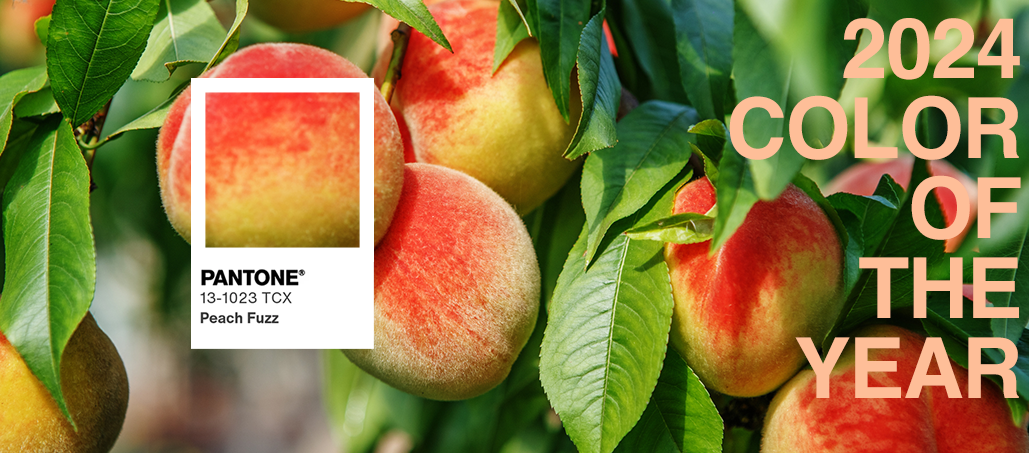
Peachy Prospects: Embracing 2024’s Color of the Year

Peachy Prospects: Embracing 2024's Color of the Year


Laurie Pressman, VP of Pantone, says that the inspiration for the Color of the Year is everywhere.

We may only be 9 days into 2024, but one thing is certain; this year is going to be peachy. At least according to the Pantone Color Institute, who announced in December that the Color of the Year for 2024 is Peach Fuzz. If you’re wondering how to use this campaign to your advantage, McConnell Marketing has some tips and tricks for you!

History of Color of the Year

Pantone announced their very first Color of the Year in 2000. Pantone 15-4020, better known as Cerulean Blue, was the shade of the new millennium. While the Color of the Year didn’t immediately catch on, as the world shifted more online, Pantone has unofficially become a trendsetter in more than just the graphic design industry. Cell phones, interior paint colors and the runway all turn to Pantone for inspiration on new shades of products.


“Anything and everything taking place in our culture during the year can influence our Pantone Color of the Year selections, with each source carrying a different weight from year to year depending on what’s taking place in our culture at that time.”


A decade ago, tech did not have a huge role in choosing a shade, however things have shifted gears. “Gaming, social media, augmented and virtual reality, and physical design itself are all influenced by our technology and the colors we can access in the digital environment,” she continues.


The sentiment for this year’s color was something we instinctively search for as humans; unity.

“In seeking a hue that echoes our innate yearning for closeness and connections, we chose a color radiant with warmth and modern elegance. A shade that resonates with compassion, offers a tactile embrace and effortlessly bridges the youthful with the timeless,”

Leatrice Eiseman, Executive Director of Pantone


How to Use Peach Fuzz

So how are some brands embracing the warm fuzzies this year? Polaroid is releasing instant film packs with a Peach Fuzz border, Motorola has announced 2 limited edition phones in the color and UltraFabrics released interior color palettes and virtual campaigns that show customers how to tie Peach Fuzz into their homes. Three very different companies in very different industries (along with so many others) are leaning into the Color of the Year with limited collections that tie into emotional marketing with the meaning behind Peach Fuzz.


Social media campaigns that feature established trends are easy to adopt. Here are a few ways you can use Peach Fuzz. Try these by themselves or combine them:

  • A cross-platform social media campaign – A few photos featuring the Color of the Year and sharing stores of how your company has brought people together and embraced connection.

  • Temporary Rebrand – Change your social media profile photos to a shade of Peach Fuzz for a week or two.

  • Product Mockups – Turn one (or some) of your products Peach! Just for fun of course; this is a more affordable way to join the big global companies without actually redesigning your product.

  • Interactive Campaign – Include a hashtag and interact with posts to foster your community. Invite your audience to share stories of what it means to connect with the people around you.

As with any campaign, analyze your performance and discuss what could have been done better and plan for next year.


The great thing about Pantone’s Color of the Year is that it occurs annually and is a great way to get more engagement. While we don’t know 2025’s shade, using your Peach Fuzz campaign as a template can get you ahead of the curve when the announcement comes.


If you or your business needs help with your marketing efforts, contact us at 330-286-0487 to get started. Also, don’t forget to follow us on all of our social platforms. Stay up to date on our monthly newsletters, full of more helpful tips and tricks!

Sipping History: The Legendary Bloody Mary at St. Regis, New York


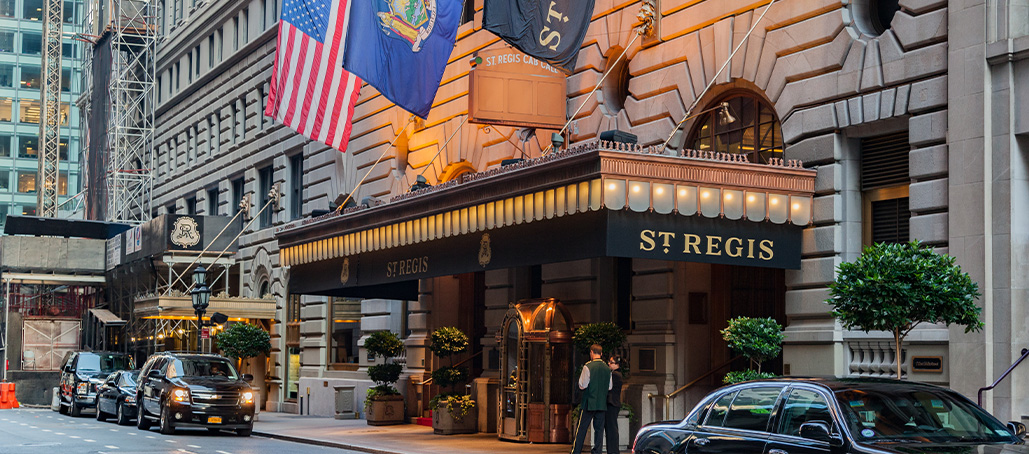
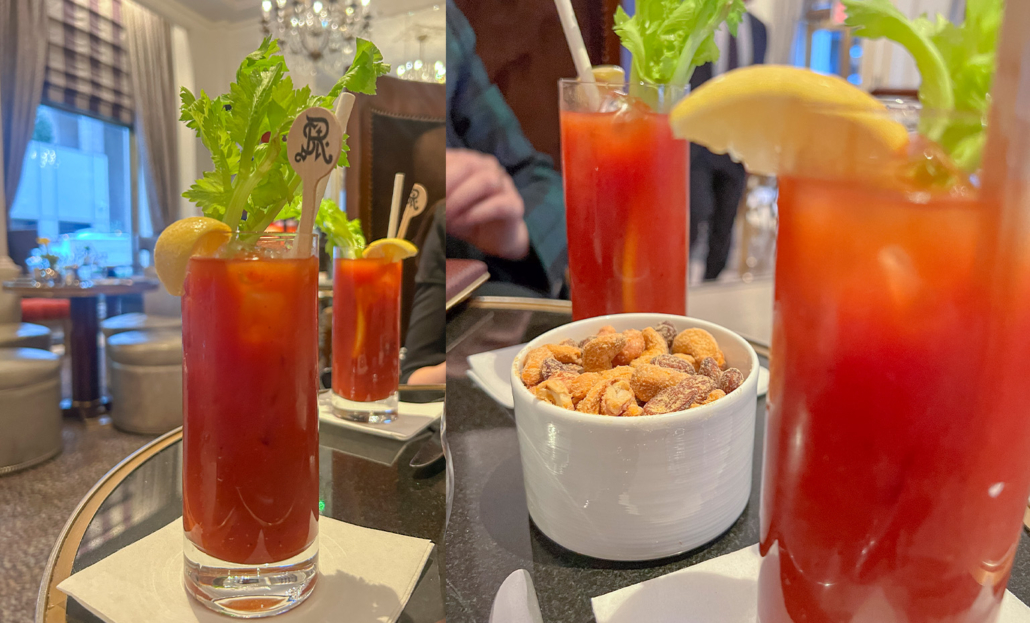
When it comes to iconic cocktails, few hold a candle to the legendary Bloody Mary, a concoction that has stood the test of time and remains a favorite among cocktail enthusiasts worldwide. During our recent trip to the bustling city of New York, we made it a point to pay homage to this classic drink at none other than the historic St. Regis hotel.


The St. Regis, renowned for its timeless elegance and impeccable service, boasts a gem within its premises – the King Cole Bar. This bar is not only a sanctuary for those seeking a respite from the city’s hustle but also the birthplace of the Bloody Mary.


History of the Bloody Mary

In 1934, Fernand Petiot, a bartender at the King Cole Bar, perfected the Bloody Mary recipe. However, the name was considered a tad too risqué for the refined tastes of the St. Regis clientele. To maintain an air of sophistication, the drink was promptly rebranded as the “Red Snapper,” a moniker that has stuck through the decades.


Our Thoughts

Stepping into the King Cole Bar is like entering a time capsule, with its rich history exuding from every corner. The ambiance is a perfect blend of old-world charm and modern luxury. The Red Snapper did not disappoint. Each sip was a journey through time, evoking the glamour of the past while embracing the contemporary allure of the present. Whether you’re a history buff, a cocktail enthusiast, or simply someone seeking an exceptional experience in the heart of New York, a visit to the King Cole Bar at the St. Regis is a must.


Take a Look Into the Not-So-Distant Past

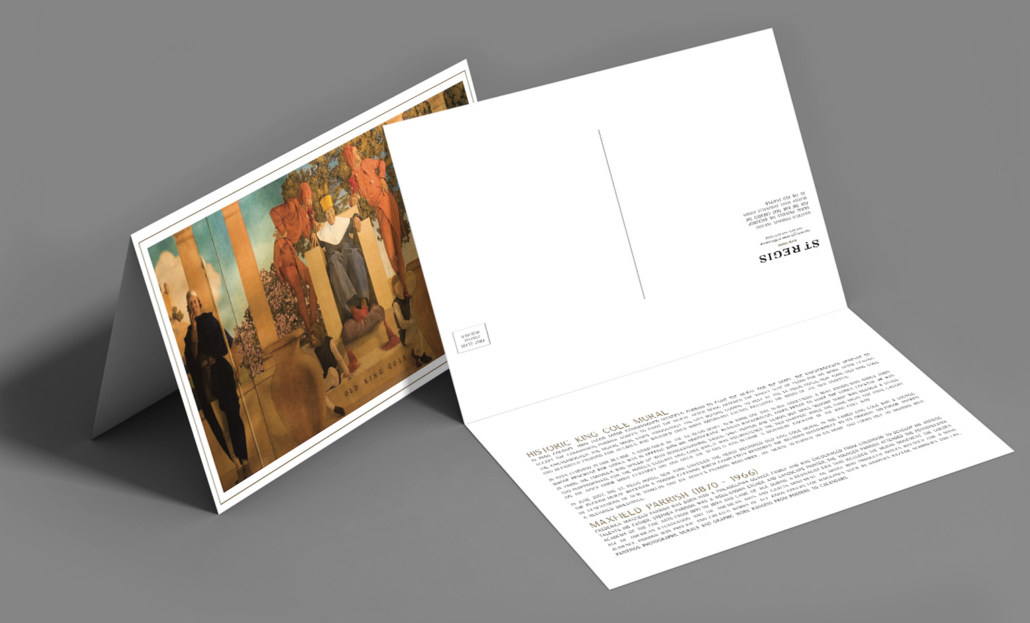
McConnell Marketing had the privilege of working with the St. Regis to create custom postcards that capture the essence of this iconic establishment.


If you are looking for custom marketing materials like this, contact us today at 330-286-0487 or email us to get a custom quote. Also, don’t forget to follow us on all of our social platforms. Stay up to date on our monthly newsletters, full of more helpful tips and tricks!

Refresher Travel Guide with Airport Tricks and Packing List

Did you finally schedule the trip to Greece or the flight home to visit family? McConnell Marketing has got you covered with two lists of must-have travel essentials for any trip and airport tricks that will ease your pre-flight anxiety and prepare you for your travels. Read more

6 Steps for Marketing Success in 2022

It’s officially budget season again, and the growing list of priorities and considerations for a successful 2022 is currently top of mind. Budgeting for the upcoming year can be a tedious process but is a crucial opportunity to reassess goals and look to the future. Contact us for project estimates and plan for a profitable 2022 with these six smart hotel sales and marketing strategies.

Develop a 2022 Sales & Marketing Budget 

Create a budget that works best for your company. A detailed and realistic budget is one of the most important tools for guiding your business. A budget provides essential information for operating within your means, managing unexpected challenges and turning a profit.

Create a Strong Database 

Creating a database for email promotion is incredibly helpful for future promotional events and will save your business time in the future when sending out material. Building an email list is crucial because it’s the best way to build a relationship with potential customers in an intimate way. It is also an excellent way to measure what is working and what isn’t, based on the data from each email promotion to evaluate what your audience likes.

Deliver Quality Content 

The saying quality over quantity has never been more accurate than in today’s current climate, where we digitally overwhelm ourselves with media from the moment we wake up. Social media rules the day with its potential to engage in meaningful conversations with a loyal fan base and potential clients alike. In a study done by Forbes, “Research reveals the average consumer may see as many as 5,000 or more ads daily, and of 590 total media minutes spent, they note 153 ads. What is the average number of ads that engage the consumer? The answer is 12.” Focus on making your messaging count over pushing out content for the sake of it.

Meet With General Managers of Completion

In an effort to learn more about your industry and what others are doing, simply check out your competitors. Take an on-site tour of each business, establish a referral program and coordinate a market review with your brand marketing manager. It is also an excellent way to see if you have any sort of leg up, competitively, with your competition.

Meet with Conventions and Visitor’s Bureau 

Meeting with your local conventions and visitor’s bureau or chamber of commerce will not only help you establish a relationship with community leaders but may help you gain insight into local business opportunities. Obtain a list of trade show opportunities for budgeting as they are putting their plans together now, if not already done. Also, you can qualify key companies and individuals to create or update your own emailing list.

Review Trend Reports 

Trend analysis can improve your business by helping you identify areas within your organization that are doing well and areas that are not doing well. In this way, it provides valuable evidence to help inform better decision making around your longer-term strategy as well as ways to futureproof your business. If done correctly, it can help show where and what your business should be doing and how much money it should be putting in those ideas.


For more tips and tricks, join our mailing list to hear more!